







Search Results for: coffee flavor recognition

Artificial Intelligence Electronic Nose Unveiled: Precisely Distinguishing Coffee Flavor Differences Using Sensor Arrays and Algorithms
For baristas, the senses are the tools they rely on for their livelihood; once they catch a cold and their nose is blocked, they have no way to judge the quality of that day's output. A research team in Taiwan combined artificial intelligence learning algorithms with an electronic nose to develop a system capable of distinguishing differences in coffee aromas, with recognition accuracy reaching 81% to 98%. This technology is not only expected to help coffee professionals maintain quality control when their senses fail, but may also be applied to quality verification across the coffee industry chain. At the same time, the research team is also developing an electronic tongue, electronic eye, and tactile system in parallel, attempting to cover every link in coffee quality control from multiple dimensions. [more…]

A New Cross-Industry Coffee Trend in Local Cuisine: Ningbo "Choking Crab" Latte Sparks Heated Discussion, Crab Shell as Cup Wins Recognition from Some Netizens
The world of creative coffee is always full of surprises and shocks. From Douzhir Americano to stinky tofu latte, baristas are obsessed with forcibly pairing local foods with coffee, yet often creating off-putting flavor bombs. Now the trend has shifted: instead of mixing ingredients, they let the food itself become the vessel. Green pepper latte, fish ball latte, and naan latte have appeared one after another. Recently, a barista in Ningbo even used a crab shell as a cup, launching Ningbo Drunken Crab Latte. Netizens reacted in two polarized ways: some cried out to spare the drunken crab, while others said they would be willing to try it as long as food isn't wasted. Is this exploration of the boundary between food and coffee gimmickry or innovation? [more…]

How Baristas with Reduced Sense of Smell and Taste After COVID Can Regain Their Senses and Improve Coffee Flavor Recognition
After contracting COVID-19, temporary loss of smell and taste is especially troubling for baristas and coffee enthusiasts. Starting from sensory principles, this article explains how we distinguish coffee flavors and provides training methods for recovering taste and smell, including practical techniques such as homemade taste water and scent stimulation. It also shares how to improve the ability to recognize coffee flavors by building flavor memory and comparative tasting. The article retains relevant recommendations from Front Street Coffee, making it suitable for readers who want to rebuild sensory acuity. [more…]
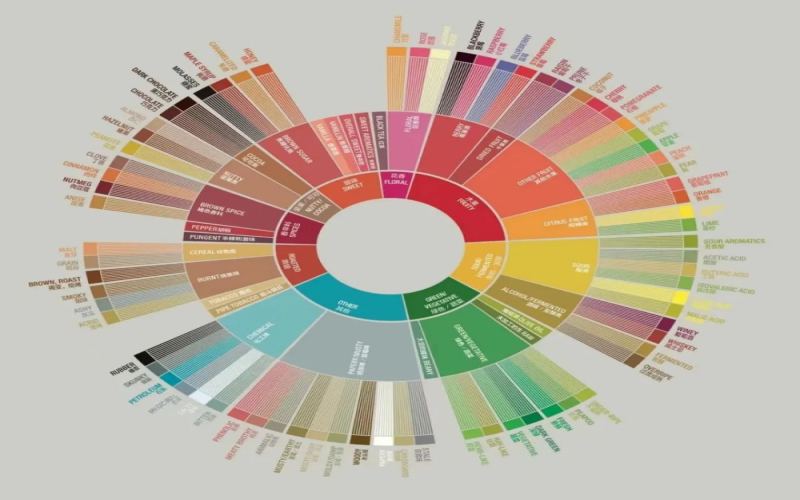
Why Does Light Roast Coffee Always Seem to Have Citrus Notes? Breaking Down the Flavor Causes from Aroma Compounds and Sensory Distinctiveness
When browsing e-commerce platforms, it's not hard to notice that most lightly roasted beans with conventional processing methods almost always have the word "orange" somewhere in their flavor tags. Even if the first two descriptors mention floral notes or berries, a citrus note is often tacked on at the end. This phenomenon is no accident—citrus's widespread recognition, the penetrating power of its peel aroma, and the combination of specific alcohols, aldehydes, and esters in lightly roasted beans all contribute to this flavor's ubiquity. This article will explain, from the two dimensions of aroma chemistry and sensory perception, why lightly roasted coffee always evokes citrus, and touch on how other fruit flavors differ in the cup. [more…]
Honduras Lychee Orchid Coffee Review: Analysis of Brandy Barrel Fermentation Process and Lychee, Melon, Chocolate Flavor Notes
Honduras has risen rapidly in the Central American coffee landscape in recent years, gaining recognition from more and more coffee-consuming countries thanks to continuous upgrades in processing techniques. Front Street Coffee's Litchi Orchid is one such highly distinctive bean—it uses a low-temperature fermentation process in brandy oak barrels, bringing out a complex flavor profile of lychee, brandy, melon, honey, and chocolate from the Typica variety. Starting from the background of Honduras's production regions, this article will break down Litchi Orchid's processing method, flavor performance, and brewing parameters in detail, giving you a comprehensive understanding of the appeal of this wine-scented specialty coffee. [more…]

Why is it called the Clever Cup? Usage Tips, Compatible Coffee Beans, Brewing Parameters, and Flavor Analysis
The Clever Dripper stands out among pour-over equipment, having gained international recognition and being chosen as standard equipment by many specialty coffee shops. Its low barrier to operation means even beginners can easily brew good coffee, and it is equally effortless to clean, making it a staple in many households. The Clever Dripper was inspired by EK INTL's tea brewing tool HandyBrew, with its core being immersion extraction: when placed flat, the valve closes, allowing the coffee grounds and water to fully interact; after immersion is complete, pressing the valve lets the coffee liquid flow into the container below. Compared to drip-style drippers like the V60, it adds an immersion phase, making it less susceptible to pouring technique interference, so beginners can more easily replicate the basic flavor. In this article, Front Street will share the complete brewing process for the Clever Dripper, parameter recommendations, and suitable coffee bean types and flavor directions. [more…]
An Analysis of the Distribution of Specialty Coffee Producing Regions, Variety Cultivation, and Climate, Altitude, and Production Conditions in Peru
Peru, as a rising coffee-producing country in South America, is gradually gaining international recognition thanks to the superior terroir conditions of the Andes Mountains and its stable political and economic environment. Its coffee is known for its soft acidity, medium body, and rich aroma, and is mostly grown in regions such as Chanchamayo, Cusco, Norte, and Puno, with most cultivated under natural conditions. 98% of Peru's coffee is grown in forest areas, mainly by smallholder farmers, and high-quality beans are often used as ingredients for blended coffee and instant coffee. Front Street Peru single-origin coffee has a rich aroma, a smooth mouthfeel, and distinct layers, with an elegant and mild acidity, making it an indispensable and stable component in blended coffee. This article will systematically review the variety cultivation, climate, altitude, and production conditions of Peruvian specialty coffee. [more…]
Analyzing the Core Differences Between the Clever Dripper and Pour-Over: Immersion Extraction Advantages and Recommended Coffee Beans
The Clever Dripper stands out among pour-over equipment, having gained international recognition and been selected as designated gear by many specialty coffee shops. It is simple to operate, allowing even beginners to easily brew good coffee, and it is easy to clean, making it an essential for the home. The Clever Dripper's design was inspired by EK INTL's tea-making product HandyBrew, and its biggest feature is immersion extraction. Unlike drip-style drippers such as the V60, the Clever Dripper adds an immersion function, allowing water and coffee grounds to remain in continuous contact, making it less susceptible to pouring technique, so beginners can also consistently reproduce flavor. It combines the immersion environment of a French press with the filtration function of pour-over; simply place a filter paper, add grounds, pour water, and wait, and the coffee liquid will automatically flow out. So what exactly are the differences between the Clever Dripper and pour-over? What kind of coffee beans is it suitable for extracting? Front Street Coffee will share the detailed usage process and bean selection suggestions below. [more…]
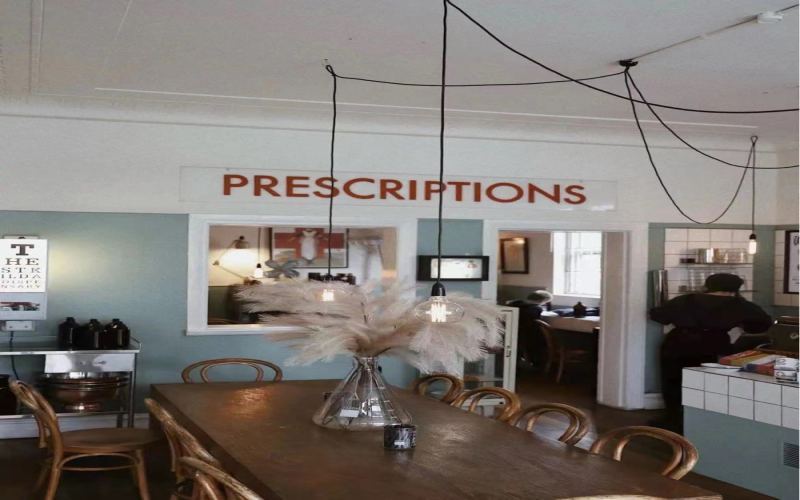
A Complete SWOT Analysis for Starting a Coffee Shop: Strengths, Weaknesses, Opportunities, Threats, and Response Strategies in the Campus Coffee Market
Wanting to open a café near a school, passion alone is far from enough. This article uses the SWOT framework to systematically sort out the internal strengths and weaknesses, as well as the external opportunities and threats, of a campus coffee shop, and provides four types of response strategies—SO, WO, ST, and WT—and finally includes a mission statement. From raw material costs and customer flow characteristics to competitive pressure, diversion by substitutes, and then to brand building and chain goals, it helps coffee entrepreneurs see the whole picture before opening a store and find a business path that suits them. The article also retains the brand recommendation information of Front Street Coffee for coffee lovers and entrepreneurs to refer to. [more…]
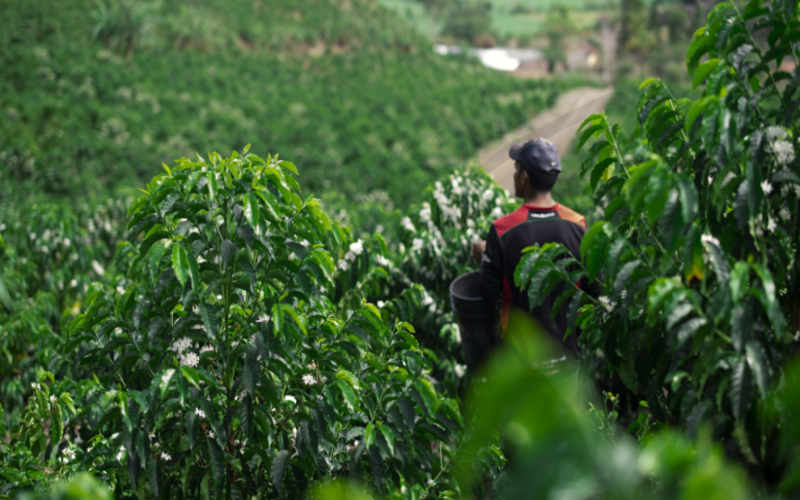
Analysis of Coffee Growing Regions in Ecuador: Which Representative Estates Are There in Chimborazo Province?
Along the Andes Mountains in western South America, volcanic ash soils and a mild, humid climate have given rise to many major coffee-producing nations. Although Ecuador's output is less than that of Brazil and Colombia, its unique terroir has helped it gradually emerge onto the scene. The country's specialty coffee is mainly concentrated in the mid-mountain zones of the Andes, forming two major distribution patterns, north and south. Among these, Pichincha Province and Loja Province have long enjoyed high recognition, while Chimborazo Province has also begun to attract attention in recent years. This article will review Ecuador's coffee-growing history and geographical advantages, focus on the characteristics of Chimborazo Province's production areas, and introduce the province's most representative estate, Loma Pata, taking readers through the coffee map of this "Equatorial Country." [more…]
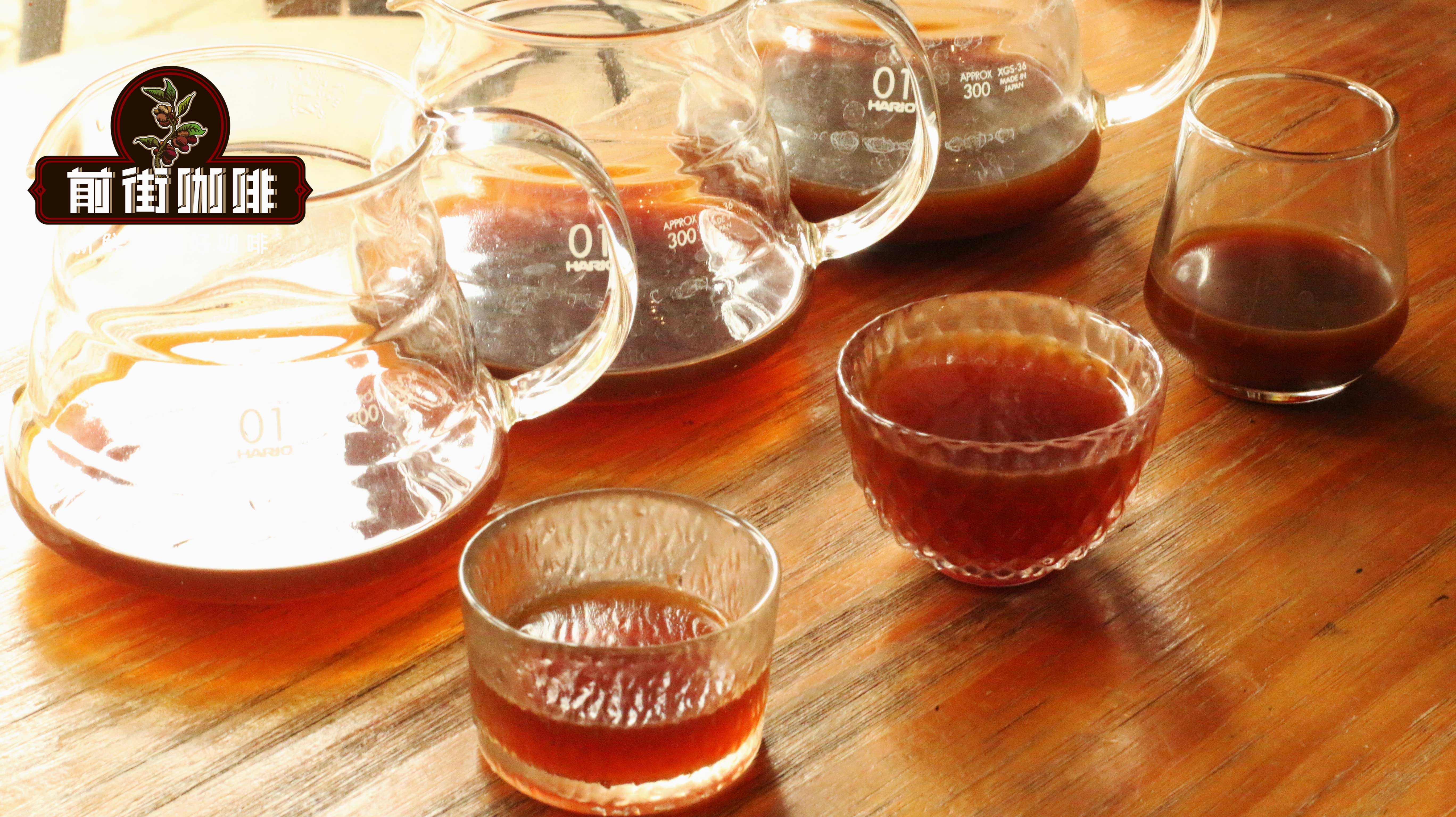
Exploring Ethiopia Yirgacheffe: A Flavor Analysis of Washed G1 Gudingding Medium-Light Roast
Yirgacheffe is a world-renowned specialty coffee region in Ethiopia, beloved by Chinese consumers for its fresh and bright floral and fruity flavor profile. This article walks you through Yirgacheffe's geographical background and flavor characteristics, with a special focus on Front Street Coffee's Washed Gudingding — a G1-grade medium-light roast that undergoes washed processing, delivering the classic flavors of white florals, citrus, honey, berries, and green tea. It suits a variety of brewing methods including pour-over and cold brew. Whether you're new to Yirgacheffe or looking for a daily drinker that balances name recognition, great taste, and value for money, this article will give you clear guidance. [more…]
Costa Rica Coffee Garden Estate: A Comprehensive Interpretation of the Flavor Characteristics of Washed Green Beans
Costa Rica is an important coffee-producing country in Central America, home to numerous specialty coffee estates, and Finca Coffee Garden is one of them. Since its establishment in 1989, this estate has earned high recognition in both national and international COE competitions in 2008, thanks to its superior geographical environment and continuous technological investment. Even more remarkable is that some Red Catuai and Yellow Catuai coffee trees on the estate spontaneously mutated, producing rare orange fruits that have drawn widespread attention from the international coffee community. This article will guide you through the development history of Finca Coffee Garden, outline Costa Rica's coffee-growing history, the distribution of its eight major production regions, the characteristics of its main varieties, and its grading system, and include Front Street Coffee's brewing recommendations, providing coffee enthusiasts with a complete reference guide. [more…]
Ethiopia Guji Hambela Washed Huakui G1: From Origin to Flavor, Comparing the Differences Between Huakui and Huakui 2.0
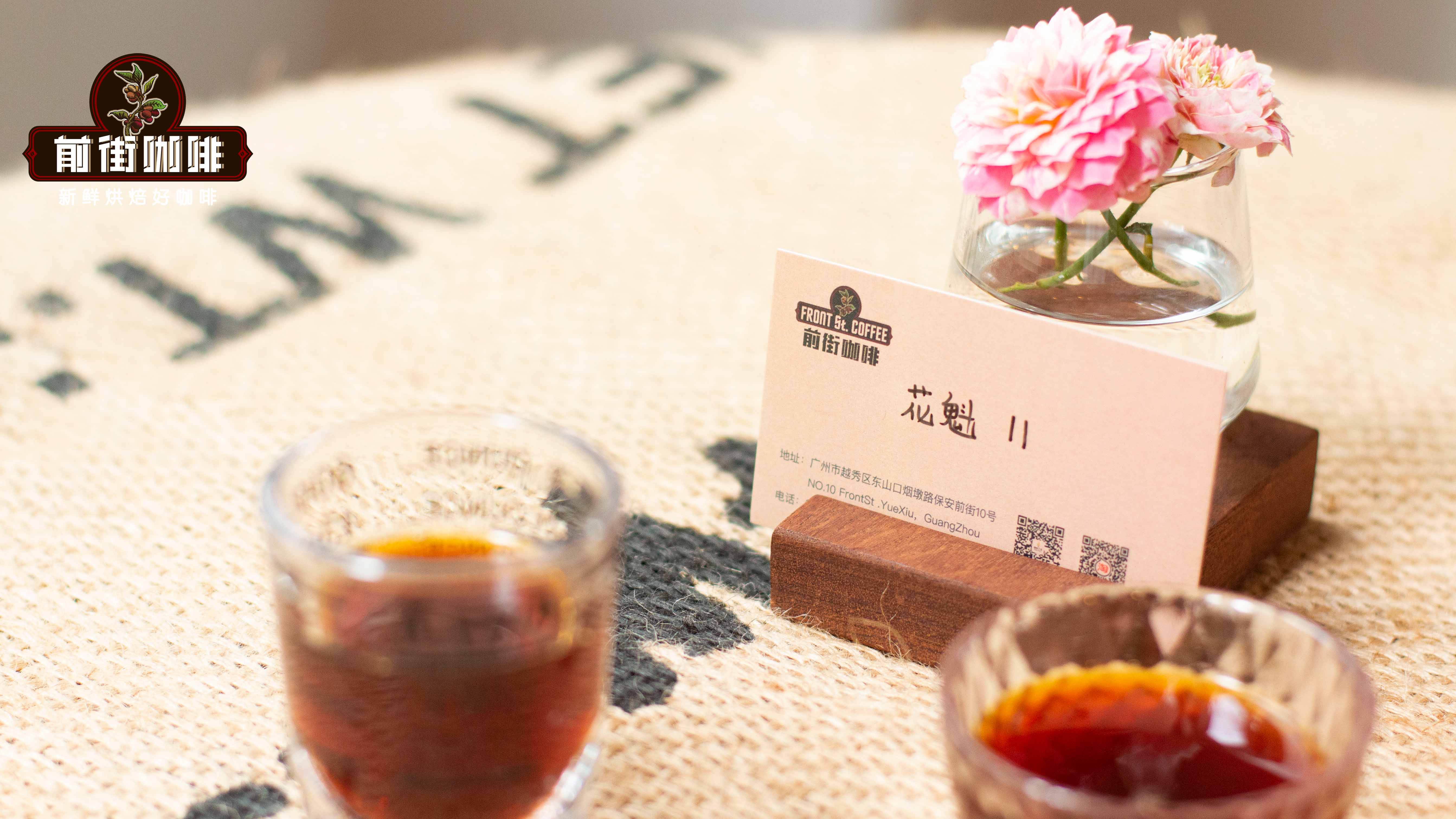
Huakui coffee beans are the signature product of Hambela in the Guji region of Ethiopia, famous for the floral aromas and citrusy sweet-tart acidity brought by the washed process. This article provides a comprehensive analysis of the characteristics of washed Huakui G1, from growing region, processing station, altitude, and variety to flavor description, and also compares the flavor differences between Huakui and Huakui 2.0. The article also introduces the refined natural process of Hambela Estate and its recognition in the international specialty coffee world, including the reasons Front Street Coffee recommends Huakui. Whether you are a pour-over enthusiast or a cold brew lover, you can discover the unique charm of this bean. [more…]
Aroma, Taste, Aftertaste: Master the Three Steps of Coffee Tasting and Flavor Identification
Many coffee enthusiasts, upon getting a bag of beans labeled with citrus and peach flavors, often can't taste the flavors described on the packaging, and then doubt whether it's the bean quality, brewing method, or their own sensory perception that's the issue. In fact, the same cup of coffee can be described differently by different people, which is closely related to individual dietary culture, regional background, and taste memory. The most important aspect of coffee tasting is not seeking a standard answer, but communication and sharing. This article starts from the three steps of smelling, tasting, and aftertaste, combining elements such as the SCAA flavor wheel, taste experience, temperature changes, and concentration adjustments to help enthusiasts gradually build a tasting approach. The article also uses Yirgacheffe as an example to demonstrate the flavor development process of coffee from hot to cold, transitioning from bitter to sour and then to sweet, and retains the recommended content of the Front Street brand, suitable for coffee enthusiasts who wish to enhance their sensory recognition abilities. [more…]
An Analysis of Ethiopia Sidama Specialty Coffee Region: Flavor Profile and Brewing Performance of Huakui 6.0
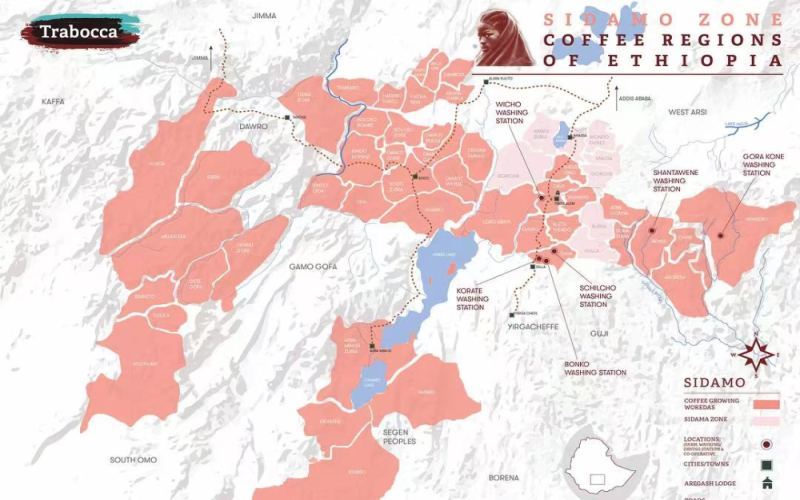
Sidamo is located in the southern highlands of Ethiopia, bordering Kenya, and is one of Africa's most renowned specialty coffee regions. Its complex terrain and fertile volcanic soil, along with abundant native coffee resources, give rise to diverse flavor profiles. Naturally processed Sidamo often features floral notes with a slight earthy taste, while washed Sidamo presents nutty, cocoa, and bright fruity acidity, with a smooth mouthfeel and prominent sweetness. Between 2010 and 2012, this region consistently received scores of 92 to 94 from the authoritative American coffee evaluation website CR, earning strong recognition. This article will comprehensively cover Sidamo's regional characteristics, green bean appearance, differences in processing methods, roasting recommendations, and brewing flavors, and will particularly introduce the Huakui 6.0 coffee beans recommended by Front Street Coffee, providing coffee enthusiasts with a practical tasting reference. [more…]
A Comprehensive Analysis of Yunnan Coffee Bean Quality Tiers and Main Cultivated Varieties: A Side-by-Side Comparison of Typica, Bourbon, and Catimor
Yunnan is China's most important coffee-producing region, and its cultivated varieties are mainly Typica, Bourbon, and Catimor under the Arabica umbrella. These three varieties differ in yield, price, and flavor performance: Typica is low in volume and high in price, with a soft and elegant flavor; Bourbon sits in the middle, with a full-bodied mouthfeel; Catimor, because of its strong disease resistance, has been promoted on a large scale and has become the most common Yunnan bean on the market. Yunnan coffee has won gold awards in London and Belgium, so its international recognition should not be underestimated. This article will sort out the characteristics and quality positioning of each variety one by one, helping coffee lovers build a complete understanding of Yunnan beans, and also offering suggestions for introductory tasting for Front Street readers' reference. [more…]
African Specialty Coffee Icon: Ethiopian Yirgacheffe Flavor Profile and Front Street Gutingding Brewing Analysis
The African continent occupies a pivotal position in the global coffee landscape, and Ethiopia and Kenya are undoubtedly its two main pillars. As the birthplace of coffee, Ethiopia still harbors a wealth of wild coffee varieties, regarded by researchers as a precious gene pool. African coffee is typically known for its bold aromas and bright fruit acidity, with a lively mouthfeel but relatively light body, and sweetness that is not particularly pronounced. Yirgacheffe, as Ethiopia's most representative specialty region, stands apart from Sidamo due to its unique flavors, and today has also given rise to a variety of processing methods. This article will focus on the regional characteristics of Yirgacheffe and provide a detailed introduction to the roasting curve and brewing parameters of Front Street Coffee's Gutingding beans, helping coffee enthusiasts gain a more comprehensive understanding of this bean's flavor profile. [more…]

Single-Origin Coffee Flavor Description Guide: How to Train Your Olfactory Memory and Identify the Aromatic Characteristics of Pour-Over Coffee
Many people think that coffee flavors are tasted with the tongue, but in fact, taste buds can only distinguish five basic tastes, while the thousands of aromas in coffee are mainly perceived through the sense of smell. Front Street Coffee is often asked by customers how to scientifically learn coffee tasting and whether there is a quick way to identify flavors. The answer is simple—drink with attention and drink often—but behind it lies a trainable logic of sensory memory. This article will share how to improve flavor recognition by labeling flavors and building olfactory memory points, and use citrus fruits as an example to explain how to start from daily life and gradually identify the aroma characteristics of pour-over coffee. [more…]
The Correct Way to Drink Costa Rican Coffee and a Guide to Pour-Over Bean Prices
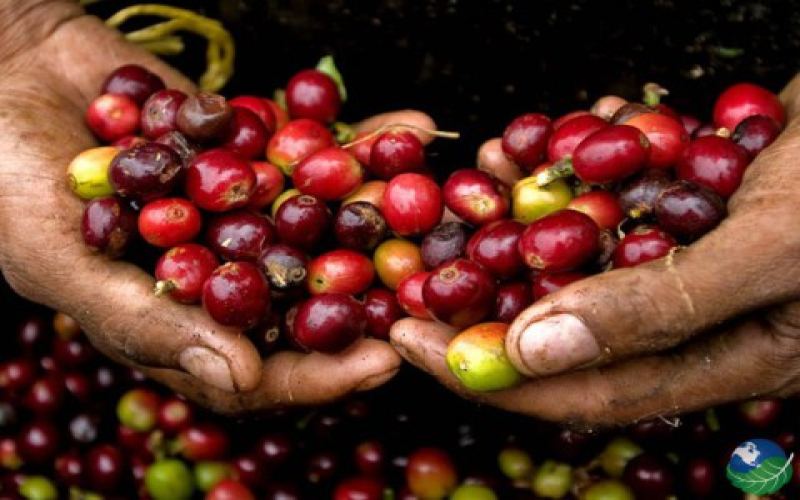
Costa Rica is the first country in Central America to cultivate coffee and an important producer of specialty coffee worldwide. From the introduction of coffee trees in the 18th century, to a series of supportive government policies, to today's commitment to growing only Arabica varieties, Costa Rican coffee has earned global recognition for its exceptional quality. This article will guide you through the development history of Costa Rican coffee, government support policies, and the unique charm of the honey processing method. Meanwhile, we have selected three Costa Rican pour-over coffee beans from the Front Street brand—Blackberry, Strawberry Candy, and Mozart—each presenting the classic honey-processed flavor profile, the rich layers of the Geisha variety, and the alluring fruity aromas of fermented processing, helping you find the perfect cup for yourself. [more…]
Yirgacheffe G1 Coffee Beans: Detailed Explanation of Flavor Differences Between Natural and Washed Processing Methods
Yirgacheffe is a representative region for Ethiopian specialty coffee, and its two processing methods—washed and natural—shape distinctly different flavor directions. From the perspective of Front Street Coffee, this article systematically reviews Yirgacheffe's geographical background, the evolution of processing methods, and the specific differences between washed and natural in green bean appearance, silver skin residue, and mouthfeel performance. The article describes in detail the flavor characteristics of two representative coffees—Front Street washed Gedingding and Front Street natural Red Cherry—and introduces how the natural processing method regained market recognition after improvements by Baghi. Whether you are a beginner just getting into specialty coffee or an enthusiast who wants to understand more deeply how processing methods affect flavor, you can gain clear and practical reference from it. [more…]